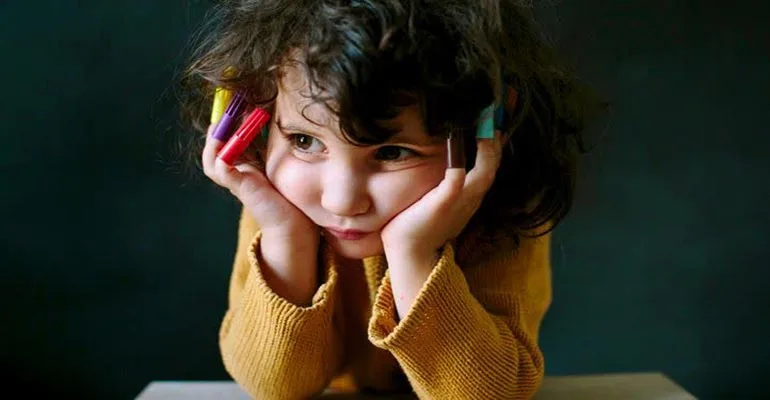
Friendships play an important role in children's social and emotional development. Through playing and interacting with other children, they learn to share, cooperate, listen, and express their feelings. However, some children find it difficult to make friends or feel left out, while others may prefer spending time alone.
If you notice that your child has no friends or struggles to connect with other children, try not to judge or pressure them. There may be several reasons behind this, including shyness, limited social experience, low self-confidence, or negative past experiences.
In this article, we explore five possible reasons why children struggle to make friends and practical ways to help them build positive relationships and feel more comfortable around others.
Why Does Your Child Have Trouble Making Friends?
There is no single explanation for friendship difficulties. Children's personalities, interests, and social experiences differ, and some need more time than others to feel comfortable with their peers.
1. Shyness and Hesitation to Start Conversations
Your child may feel shy or hesitant about approaching other children, especially in unfamiliar places or large groups. They may want to join a game but not know how to start a conversation or ask to participate.
Shyness is not a flaw or a problem by itself. Some children simply need time to observe a situation and feel comfortable before joining in. However, if shyness regularly prevents your child from enjoying activities or forming relationships they want, you can gradually help them build confidence.
2. Difficulty Using Social Skills
Making friends involves several skills, such as starting conversations, listening, taking turns, sharing toys, and understanding other people's feelings. Some children may still be learning how to use these skills in everyday situations.
For example, a child may interrupt others, struggle to share toys, or find it difficult to handle different opinions. These skills can be developed through practice, everyday activities, and calm guidance from parents.
3. Negative Past Social Experiences
Previous experiences can influence a child's willingness to make new friends. If a child has experienced rejection, teasing, or exclusion from games, they may become more cautious or avoid approaching other children because they fear being hurt again.
Listen to your child without dismissing their feelings. Ask what happened and give them time to explain what is bothering them. Then try to understand whether it was an isolated incident or a repeated pattern, such as bullying or exclusion.
4. Low Self-Confidence
Some children feel less capable or less accepted than their peers. As a result, they may hesitate to join activities or express their opinions. A child might even believe that other children will not want to play with them before making an attempt.
Help your child recognize their strengths and interests, and praise their efforts to communicate and cooperate. Avoid comparing them with siblings or classmates because every child develops social confidence at their own pace.
5. Difficulty Getting Along with Others
Certain behaviors, such as aggression, trying to control every game, or ignoring other children's turns, may make it harder to build lasting friendships. On the other hand, some children struggle to set boundaries or express disagreement when someone behaves in a way that makes them uncomfortable.
This does not mean that a child is bad or unlikable. It simply means that they may need help learning more positive ways to interact, such as communicating, sharing, apologizing, and respecting differences.
How Can You Help Your Child Make Friends?
You can support your child with simple steps that help them feel safe and gain experience interacting with others. These steps should be gradual and suited to your child's personality and interests.
1. Talk to Your Child and Listen to Their Feelings
Start by asking about their day, the children they enjoy playing with, and whether anything makes them feel lonely or worried. Listen carefully without blaming or pressuring them. Also, do not assume that your child is unhappy simply because they sometimes enjoy spending time alone.
2. Start with Small Playdates
Large groups may feel overwhelming for a shy child. Try arranging a short playdate with one child who shares similar interests, either at home, in a park, or in another suitable play area. Gradually increase the number of children and the length of the activity if your child feels comfortable.
3. Practice Social Communication Skills
You can practice simple social situations at home, such as greeting someone, asking to join a game, or taking turns. Try using simple phrases like:
- Can I play with you?
- Would you like to play together?
- What games do you enjoy?
- Can we take turns?
Stories, role-playing, and group games can also help children practice listening, cooperation, and expressing their feelings.
4. Encourage Activities Your Child Enjoys
Shared activities give children opportunities to meet others with similar interests. You could encourage your child to try sports, drawing, reading clubs, arts and crafts, or age-appropriate group activities.
Choose something your child genuinely enjoys. Do not turn activities into a way of forcing them to make friends quickly.
5. Build Confidence Without Comparing Your Child to Others
Praise small efforts, such as starting a conversation, sharing a toy, or cooperating with another child. Remind your child that friendships take time and that having a large number of friends is not necessary to feel accepted.
Avoid comments such as, "Why can't you make friends like your brother?" or "Look at how the other children play together." Comparisons may increase anxiety rather than help your child feel confident.
6. Teach Conflict Resolution and Healthy Boundaries
Small disagreements are a normal part of children's relationships. Help your child express frustration with words, listen to the other person, and look for a fair solution. Also teach them that they can say no to behavior that hurts them or makes them uncomfortable, and ask a trusted adult for help when needed.
When Should You Seek Additional Support?
Consider speaking with your child's teacher or school counselor if your child is repeatedly excluded, bullied, or struggling to interact with peers at school.
You may also consult a child development or child mental health professional if social difficulties cause ongoing distress, interfere with everyday life, or are accompanied by significant withdrawal or noticeable changes in behavior.
Remember that having only a few friends does not automatically indicate a problem. Some children prefer a small social circle or need more time to build comfortable relationships. What matters is whether your child feels happy and comfortable and has suitable opportunities to connect with others when they want to.
Frequently Asked Questions About Children Who Have No Friends
Is It Normal for My Child Not to Have Many Friends?
Yes. Not every child needs a large group of friends. Some children prefer one close friend or enjoy spending time alone. What matters is that your child feels comfortable and has appropriate opportunities for social interaction.
How Can I Help My Shy Child Make Friends?
Start with small playdates involving one other child, encourage activities your child enjoys, and practice simple ways to start conversations and join games. Avoid forcing social interaction or embarrassing your child in front of others.
What Should I Do If Other Children Refuse to Play with My Child?
Listen to your child and try to understand what is happening. If the rejection happens repeatedly at school, speak with the teacher. You can also create opportunities to meet other children in positive environments and teach your child how to handle disagreements and ask for help if they experience bullying.
Does Having Few Friends Mean My Child Has a Social Problem?
Not necessarily. Children's personalities and social needs differ. However, if your child wants to make friends but consistently struggles to do so, or frequently feels lonely or distressed, it may help to understand the reasons and provide appropriate support.
Conclusion
Some children struggle to make friends because of shyness, limited social experience, negative past experiences, or low self-confidence. These difficulties do not mean that a child will always be lonely. With encouragement, practice, and suitable opportunities, children can develop communication skills and build positive relationships.
Give your child the time and space to connect with others in their own way. Listen to their feelings and celebrate small steps forward. The goal is not to have the largest number of friends, but to learn how to build healthy relationships based on respect, acceptance, and trust.



Customer reviews
No reviews
Write your review
Your comment will appear after it is reviewed and approved.