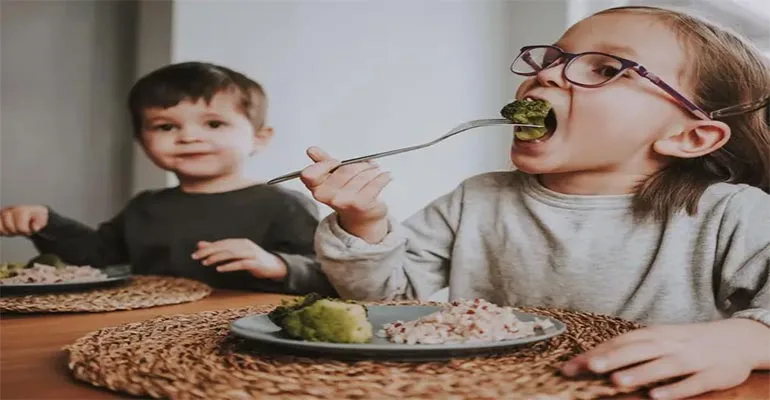
When children refuse vegetables or other nutritious foods, parents may worry that they are not getting everything they need for healthy growth. One common solution is to hide disliked ingredients inside meals children already enjoy, such as blending vegetables into pasta sauce or mixing them into rice.
This approach may help add variety to a meal, but it does not necessarily teach children to recognize, accept, or enjoy those foods. So, should parents hide foods their children dislike, or is there a better way to encourage them to try something new?
Why Do Parents Hide Foods in Children's Meals?
Parents usually hide ingredients because they want their children to eat a wider variety of foods, especially when vegetables, fruits, or unfamiliar textures are repeatedly rejected.
It is understandable to look for practical solutions, particularly when mealtimes become stressful. However, there is an important difference between improving the nutritional variety of a recipe and helping a child become familiar with different foods.
What Are the Possible Disadvantages of Hiding Food?
1. It May Make Children Suspicious of Familiar Meals
If a child discovers an ingredient they dislike hidden in a favorite meal, they may become more cautious about eating that meal again. Some children may begin to wonder whether other familiar foods contain unexpected ingredients.
This does not happen to every child, but it is worth considering, especially when a child is sensitive to changes in taste, smell, or texture.
2. Children May Miss Opportunities to Explore New Foods
When an ingredient is always hidden, children may not have enough opportunities to see it, smell it, touch it, or taste it on its own. These experiences can help them gradually become familiar with different foods and develop their preferences.
3. A Child May Reject a Previously Favorite Meal
Some children notice even small changes in the flavor, smell, or texture of their food. If they detect an ingredient they dislike in a familiar dish, they may refuse the entire meal, even if they used to enjoy it.
4. Mealtimes May Become More Stressful
Children benefit from feeling comfortable and secure during meals. Repeated attempts to disguise ingredients may make some children more suspicious of what they are eating and create unnecessary tension between parents and children.
A calm and honest approach to food is generally more helpful than pressuring or tricking a child into eating something unfamiliar.
Does This Mean You Should Never Add Vegetables to Other Foods?
No. Parents can certainly include vegetables and other nutritious ingredients in family recipes to improve meal variety. The important point is not to make hiding those ingredients the only way a child encounters foods they dislike.
For example, you can prepare a vegetable-based pasta sauce while also offering a small, visible portion of vegetables alongside the meal. This allows your child to see and become familiar with the food while still enjoying a familiar dish.
How Can You Encourage Your Child to Try Foods They Dislike?
1. Offer Small, Visible Portions
There is no need to fill your child's plate with an unfamiliar food. Start with a small piece beside foods they already enjoy. Let your child look at it, touch it, or taste it without pressure.
2. Offer the Food Again Patiently
Rejecting a food once does not mean a child will never like it. Children may need repeated opportunities to become comfortable with a new taste or texture. Offer the food again on different occasions, and consider changing how it is prepared or served.
3. Be a Positive Role Model
Children learn a great deal by watching their parents. Eat a variety of foods together and show that you enjoy them. Avoid turning this into a demand that your child must immediately copy you.
4. Involve Your Child in Food Preparation
Depending on their age, children can help wash vegetables, choose fruit, or arrange ingredients on a plate. Being involved in preparing a meal can make food more familiar and encourage curiosity.
5. Avoid Force, Threats, and Comparisons
Do not force your child to finish their plate or use punishment because they refuse a particular food. Avoid comparing them with siblings or other children. Aim for calm, pleasant mealtimes where nutritious foods are offered without pressure.
6. Serve New Foods Alongside Familiar Favorites
Place a small amount of an unfamiliar food next to something your child already likes. Having a familiar option available may help your child feel more comfortable exploring something new. Respect their decision if they choose not to taste it that day.
What If Your Child Refuses Most Foods?
Food selectivity is common among young children, and preferences can change over time. Try not to judge your child's diet based on a single meal or day. Instead, consider the variety of foods they eat over a week, along with their overall growth and activity.
Offer regular, varied meals and include at least one familiar food your child usually accepts. If food refusal is severe or persistent, your child eats an extremely limited range of foods, or you notice concerns such as weight loss, poor growth, or difficulty swallowing, speak with a pediatrician or a pediatric dietitian.
Conclusion: Build Trust and Introduce Foods Gradually
Adding ingredients to family recipes can help improve meal variety, but it should not replace giving children clear and repeated opportunities to discover different foods. Patience, positive role modeling, participation in food preparation, and offering a variety of choices without pressure can help children develop a healthier relationship with food.
Remember, the goal is not to make your child eat everything on the first try. It is to give them the time and opportunity to explore new foods and become comfortable with them gradually.
Frequently Asked Questions About Hiding Food in Children's Meals
Is it always wrong to hide vegetables in a child's food?
Not necessarily. Adding vegetables to recipes can be one way to increase meal variety. However, it is best not to rely on hidden ingredients alone. Children should also have opportunities to see and explore those foods openly.
How often should I offer a food my child refuses?
There is no single number that works for every child. Some children need repeated opportunities before accepting a new food. Offer it patiently on different occasions without forcing or pressuring them.
What should I do if my child refuses all vegetables?
Start with small portions, try different vegetables and preparation methods, eat vegetables together, and involve your child in preparing them. Avoid force. If your child's diet is extremely restricted or their growth is affected, seek professional advice.



Customer reviews
No reviews
Write your review
Your comment will appear after it is reviewed and approved.