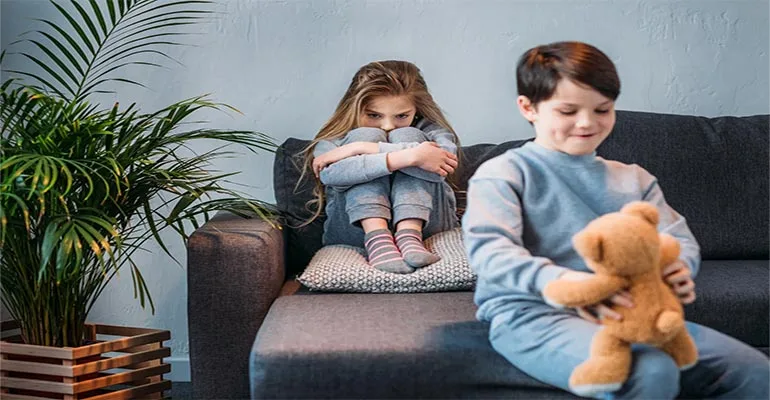
Jealousy is a natural emotion that children may experience at different stages of development. A child may feel jealous of a younger sibling, another child's relationship with their parents, or a friend's achievements. Children do not always know how to express these feelings in words, so jealousy may appear through anger, crying, stubbornness, or repeated attempts to get attention.
Parents may find it difficult to deal with childhood jealousy, especially when sibling conflicts become frequent or a child's behavior changes after a new baby arrives. A calm and understanding response can help children recognize their emotions and learn healthier ways to express them.
In this article, we explore the causes and signs of jealousy in children and share 10 practical parenting tips to help manage it without shouting, comparisons, or harsh punishment.
What Is Jealousy in Children?
Jealousy is an emotion that can occur when a child fears losing the attention of someone they love or feels that another person is receiving more attention or privileges. It may happen between siblings, among friends, or when changes take place within the family.
Feeling jealous does not mean that a child is bad or selfish. It may be an expression of their need for security, love, and attention. With appropriate guidance, children can learn to understand these feelings and respect others.
What Causes Jealousy in Children?
The reasons for jealousy vary from one child to another. They may be related to age, personality, or changes in a child's life. Common contributing factors include:
1. The Arrival of a New Baby
An older child may feel worried when a new baby joins the family, especially if they notice that much of their parents' attention is now focused on the newborn. They may fear losing their special place or the time they previously spent with their parents.
2. Comparisons Between Siblings
When parents frequently compare children in terms of school performance, behavior, or abilities, one child may begin to feel less valued than their brother or sister. These comparisons can encourage competition and jealousy rather than positive motivation.
3. Feeling That They Are Not Getting Enough Attention
A child may become jealous if they feel that a sibling receives more time or attention. This can happen when one child is ill, needs additional care, or when parents are busy for long periods.
4. Competition Between Children
Children may compete for toys, belongings, parental attention, school achievements, or success in sports and other activities. Competition can become more difficult when a child feels that their worth depends on being better than others.
5. Changes in Family Life
Moving to a new home, changing schools, or parental separation can make a child feel insecure. Jealousy or challenging behavior may sometimes be a way of expressing anxiety and a need for reassurance.
What Are the Signs of Jealousy in Children?
Children do not all express jealousy in the same way. Possible signs include:
- Frequently seeking attention or interrupting parents when they are talking to another child.
- Becoming upset or crying when a sibling receives praise.
- Refusing to share toys or belongings.
- Constantly competing with siblings and trying to be better at everything.
- Showing stubbornness or repeatedly resisting parental requests.
- Returning to earlier behaviors, such as asking for help with tasks they previously managed independently.
- Showing anger toward a new baby or trying to move the baby away from a parent.
- Withdrawing or appearing sad when they feel less valued than others.
These behaviors do not necessarily prove that a child is jealous, but they may be signs that parents should pay attention and try to understand what the child is experiencing.
How to Deal With Jealousy in Children: 10 Practical Tips
1. Show Your Child Love and Appreciation
Make sure your child feels loved and valued as an important member of the family, not only because of their achievements or good behavior. Offer sincere encouragement and recognize their positive qualities without putting other children down.
2. Teach Your Child to Express Feelings
Help your child identify their emotions and talk about them. You might say, "Did you feel sad because I was holding your baby brother?" or "Were you hoping I would play with you just now?" When children feel understood, they may find it easier to express jealousy through words rather than difficult behaviors.
3. Be Fair to All Your Children
Being fair does not mean giving every child exactly the same things at all times. It means providing each child with the care, respect, and attention they need. Avoid obvious favoritism or constantly presenting one child as an example for the others.
4. Spend Individual Time With Each Child
Even when your schedule is busy, try to set aside regular one-on-one time for every child. You can read a story, play a game, or simply talk about their day. This helps each child feel important and reassures them that their relationship with you is not dependent on their siblings being present or absent.
5. Prepare Your Child Before a New Baby Arrives
If you are expecting a baby, talk to your older child about the changes that will take place in the family using language they can understand. Explain that the baby will need care, but your love for them will not decrease.
If they are interested, you can involve them in choosing some baby supplies or preparing the nursery. However, avoid making them feel responsible for looking after the newborn.
6. Maintain Your Child's Routine
A child may feel anxious when familiar routines change after a new baby arrives. Try to maintain regular times for sleep, meals, play, and other activities whenever possible. Familiar routines can provide a sense of stability and security.
7. Encourage Cooperation Instead of Competition
Offer activities that encourage children to work together, such as tidying up toys, drawing together, or completing a simple task. Focus on the enjoyment of teamwork rather than constantly asking who is better, faster, or more successful.
8. Avoid Shouting or Punishing Your Child for Feeling Jealous
Do not punish a child simply for feeling jealous. Emotions are not wrong, but certain behaviors need clear boundaries. If a child tries to hit or hurt a sibling, calmly and firmly stop the behavior. Explain that feeling angry is allowed, but hurting others is not acceptable.
9. Help Your Child Accept Differences and Failure
Teach your child that everyone has different abilities and interests, and that a sibling's or friend's success does not reduce their own value. Encourage them to keep trying and learn from mistakes. Celebrate their personal progress instead of comparing their achievements with those of other children.
10. Listen to Your Child's Needs and Feelings
Make time to listen to what is upsetting your child. Ask what they need instead of always assuming you know the reason. They may need playtime, a hug, or help resolving a problem with a sibling. You do not have to agree to every request, but your child should feel that their needs and feelings are taken seriously.
How to Deal With Jealousy When a New Baby Arrives
The arrival of a new baby can be one of the situations most likely to trigger jealousy in an older child. They need time to adjust to sharing their parents and their attention with a new family member.
You can help your older child adjust by following these steps:
- Tell them about the new baby in advance, using simple language appropriate for their age.
- Set aside special time with them, separate from your responsibilities toward the newborn.
- Allow them to participate in simple baby-related activities if they wish, always under your supervision.
- Do not force them to kiss, hold, or show affection toward the baby.
- Accept feelings of anger or sadness while setting clear boundaries that prevent harm to the newborn.
- Maintain familiar daily routines as much as possible so they do not feel that their entire life has changed.
If your older child returns to earlier behaviors, such as asking for help getting dressed or showing other younger-child behaviors, respond with patience and reassurance. Avoid making fun of them or repeatedly criticizing them.
When Does Childhood Jealousy Require Professional Support?
Jealousy is often a normal part of childhood development. However, consider seeking advice from a pediatrician or child mental health professional if you notice:
- Repeated aggression or attempts to hurt siblings.
- Severe or persistent sadness or anxiety.
- Withdrawal from family, friends, or activities they previously enjoyed.
- Significant and ongoing changes in sleep, appetite, or behavior.
- Jealousy that affects school, relationships, or everyday life.
A professional can help the family understand the reasons behind the behavior and develop appropriate ways to support the child and teach healthy emotional skills.
Frequently Asked Questions About Jealousy in Children
Is jealousy normal in children?
Yes. Jealousy is a normal emotion that may appear at different stages of childhood, especially when family circumstances change or children compete for parental attention. The important thing is to help children express it in healthy ways.
Why is my child jealous of a younger sibling?
An older child may feel that the new baby receives most of their parents' attention or worry about losing their special place in the family. They need reassurance, attention, and individual time with their parents.
Should I punish my child for feeling jealous?
No. Children should not be punished for the emotion itself because jealousy is a normal feeling. However, parents should set clear limits on harmful behaviors such as hitting or damaging belongings and teach safer ways to express anger.
How can I help my child accept their siblings' success?
Avoid comparisons and encourage each child to develop their own abilities. Teach your child that a sibling's success does not mean they have failed and that family members can support one another and celebrate each other's achievements.
Conclusion
Jealousy in children is a natural emotion that needs understanding and guidance rather than anger or punishment. When children feel loved, secure, and treated fairly, and know that someone will listen to their feelings, they can gradually learn to manage jealousy and build healthier relationships with their siblings and others. Remember, the goal is not to prevent children from ever feeling jealous, but to teach them how to understand that feeling and respond appropriately.
You May Also Like
- Discover the New Dawood Kids App and explore educational content that combines learning and play.
- Explore Dawood Kids VIP Subscriptions.



Customer reviews
No reviews
Write your review
Your comment will appear after it is reviewed and approved.