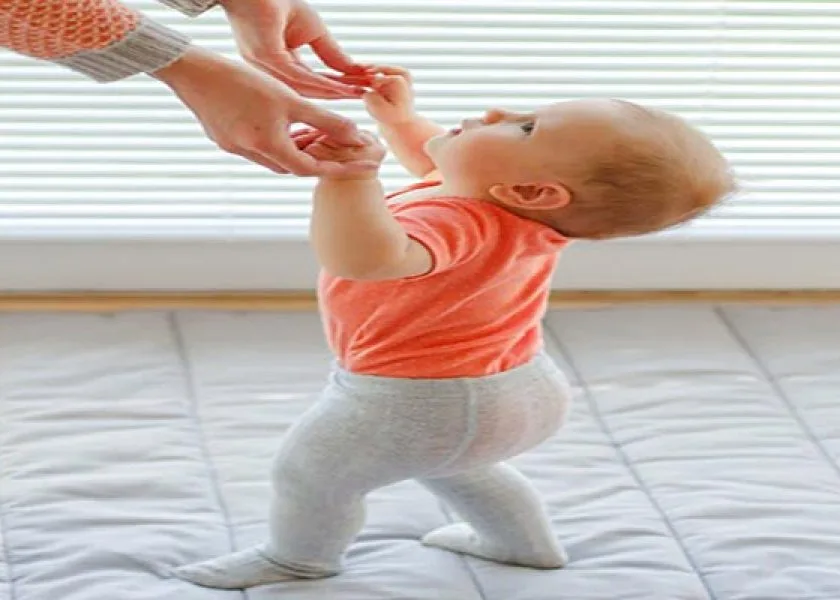
How to Help Your Baby Learn to Walk: 10 Tips for Parents
Watching your baby take their first steps is one of the most exciting moments in early childhood. Learning to walk is an important part of physical development, helping children explore their surroundings and become more independent.
However, parents often have questions during this stage. When do babies usually start walking? How can you encourage your baby to take their first steps? Are special walking aids necessary?
Every child develops at their own pace, and there is no need to rush the process. You can support your baby's development through safe play, movement, and encouragement. Here are ten practical tips to help your child learn to walk.
1. Encourage Movement and Exploration
Playing on the floor gives babies opportunities to develop their muscles and improve body control.
Place colorful, age-appropriate toys a short distance away to encourage your baby to move toward them. Allow your child to explore different positions, such as sitting, crawling, and moving between positions, while supervising closely.
Remember that crawling is not a required milestone for every child. Some babies use different ways of moving before they begin walking.
2. Create a Safe Environment for Walking
Once your baby starts pulling up, standing, and moving around furniture, making your home safe becomes especially important.
Here are some helpful precautions:
Secure unstable furniture and heavy objects.
Cover sharp corners and protect electrical outlets.
Keep cords, small objects, and dangerous items out of reach.
Install suitable safety gates near stairs.
Provide a clear floor space for playing and practicing movement.
Your baby may lose balance while learning, so always supervise them and provide a safe space to explore.
3. Avoid Traditional Baby Walkers
Some parents believe that wheeled baby walkers help children learn to walk faster. However, traditional baby walkers do not teach babies to walk and can increase the risk of falls and other injuries. Excessive use may also interfere with natural motor development.
Instead, encourage your baby to move naturally and practice standing while holding stable, appropriate furniture under close supervision.
Push toys designed for babies who can already stand and move may be used if they are stable, age-appropriate, and safe. They should never replace free movement and floor play.
4. Encourage Your Baby to Stand Independently
When your baby starts pulling up using furniture, you can encourage standing through simple and enjoyable activities.
Place a favorite toy on a stable surface at an appropriate height to encourage your baby to stand and reach for it. You can also sit nearby and encourage your child to balance briefly without support when they are ready.
Never force your baby to stand or keep them in that position for too long. Allow them to progress naturally and take breaks when needed.
5. Help Your Baby Take Their First Steps
When your baby begins showing signs of readiness, sit a short distance away and encourage them to move toward you.
Use a favorite toy to attract their attention.
Smile and offer positive encouragement.
Give them time to try without rushing.
Offer support when needed without pulling their arms forcefully.
These simple activities can help your baby build confidence while practicing their first steps.
6. Encourage Active Play
Movement-based games are a fun way to support muscle development and coordination.
Try activities suitable for your baby's age, such as:
Rolling a soft ball toward your baby.
Placing safe toys a short distance away.
Encouraging sitting and standing during play.
Playing together on the floor.
Offering a stable, age-appropriate push toy once your baby can stand and move.
Keep activities enjoyable and appropriate for your child's abilities. Always supervise playtime.
7. Be Patient and Offer Encouragement
Babies learn to walk at different ages and may need different amounts of time to develop balance and confidence.
Avoid comparing your child with other babies or pressuring them to walk before they are ready.
Instead, celebrate small achievements, such as standing independently, moving between pieces of furniture, or taking a step without support.
Gentle encouragement can help your baby feel confident and make learning enjoyable.
8. Provide Balanced Nutrition
A balanced diet supports your baby's overall growth, including healthy bones and muscles.
Offer a variety of age-appropriate foods that provide important nutrients, such as:
Calcium from milk and suitable dairy products.
Protein from eggs, meat, and legumes.
Iron from meat, legumes, and fortified foods.
Vitamins from fruits and vegetables.
Most babies do not need supplements simply because they have not started walking yet. If you are concerned about your child's nutrition or development, consult a pediatrician before giving supplements.
9. Make Sure Your Baby Gets Enough Rest and Sleep
Sleep and rest are important parts of a child's overall growth and development.
Establish a regular sleep routine that is appropriate for your baby's age, and provide plenty of opportunities for movement and play while they are awake.
If your baby becomes tired during play, allow them to rest. Avoid encouraging standing or walking when they are exhausted.
10. Know When to Consult a Pediatrician
Children reach walking milestones at different times. According to the Centers for Disease Control and Prevention (CDC), most children take a few independent steps by 15 months and walk without holding on to anyone or anything by 18 months.
If your child is not walking independently by 18 months, discuss their development with a pediatrician. You should also seek medical advice earlier if you notice:
Significant difficulty moving their arms or legs.
Unusual muscle stiffness or floppiness.
A clear preference for using one side of the body.
Loss of motor skills they previously developed.
Noticeable delays in other areas of development.
These signs do not necessarily mean that something serious is wrong, but they deserve professional assessment.
Frequently Asked Questions About Learning to Walk
When do babies usually start walking?
Walking ages vary. According to CDC developmental milestones, most babies take a few independent steps by 15 months and walk without holding on to anyone or anything by 18 months.
Does a baby have to crawl before walking?
No. Crawling is not essential for every child. Some babies crawl before walking, while others use different ways to move around.
Do baby walkers help babies learn to walk?
Traditional wheeled baby walkers are not recommended as a way to teach walking. They do not help babies learn to walk and may increase the risk of injuries and accidents.
How can I encourage my baby to take their first steps?
Provide a safe space for movement, encourage your baby to stand while holding stable furniture, and sit nearby with a favorite toy to motivate them to move toward you.
What should I do if my baby is not walking at 18 months?
Talk to your pediatrician about your child's motor development. The doctor can assess their progress and determine whether further evaluation or support is needed.
Conclusion
Learning to walk is an exciting journey that is different for every child. It does not require pressure or rushing. You can support your baby's progress by encouraging movement and play, making your home safe, providing balanced nutrition, and ensuring enough rest.
Enjoy every attempt and every new step. Your most important role is to create a safe and supportive environment where your child can explore their abilities with confidence and independence.



Customer reviews
No reviews
Write your review
Your comment will appear after it is reviewed and approved.