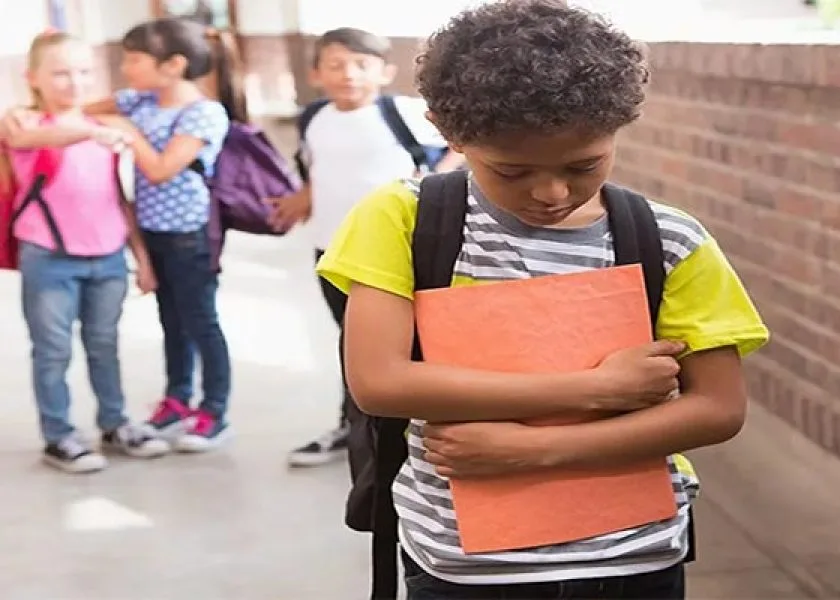
Does your child prefer spending time alone? Do they hesitate to talk to other children or need extra time to feel comfortable in social situations? You may wonder whether your child is introverted or experiencing difficulties with social interaction.
It is important to understand that introversion is not an illness or a psychological disorder. It can simply be a natural part of a child's personality. Some children enjoy quiet activities and small gatherings, while others prefer having a few close friends. However, persistent social withdrawal accompanied by fear, sadness, or difficulties in everyday life may require additional attention and support.
In this article, we explore what introversion means, factors that may contribute to social withdrawal, and practical ways parents can support their children and build their confidence.
What Does Introversion Mean in Children?
Introversion is a personality trait. An introverted child may prefer quiet environments, individual activities, or spending time with a small number of familiar people rather than being in large groups. They may also need more time to feel comfortable around new people or in unfamiliar situations.
This does not mean that the child dislikes others or cannot make friends. Many introverted children have healthy social relationships but prefer a smaller circle of close friends. They may also need some quiet time after social activities.
Parents should not force a child to change their personality or make them feel less capable because they are not as outgoing as other children. What matters is that the child feels safe, accepted, and able to connect with others when they wish.
What Is the Difference Between Introversion, Shyness, and Social Withdrawal?
These experiences can look similar, but they are not the same:
- Introversion: A natural preference for quiet activities, individual time, or a smaller social circle. It does not necessarily involve fear or distress.
- Shyness: Feeling hesitant or uncomfortable when meeting new people or speaking in front of others. A shy child may need time to become comfortable.
- Social withdrawal: Avoiding other people or social interaction. This may be related to anxiety, bullying, feeling rejected, or other difficulties.
If a child wants to make friends but feels extremely afraid of talking to others, avoids school, or stops enjoying activities they previously liked, parents should explore the reasons rather than assuming it is simply introversion.
Possible Causes and Factors Behind Social Withdrawal in Children
There is no single explanation for every child's social withdrawal. It may be related to personality, personal experiences, or changes in the child's environment. Possible contributing factors include:
1. Personality and Temperament
Children naturally differ in temperament. Some enjoy meeting new people and joining groups, while others take longer to adjust to unfamiliar places and situations. These differences are normal and do not mean that a child's personality needs to be changed.
2. Low Self-Confidence
A child may hesitate to participate in social activities if they feel less capable than others or are afraid of making mistakes. These feelings may become stronger when children experience frequent criticism or comparisons with siblings and classmates.
3. Bullying or Teasing
Children may avoid their classmates after being teased about their appearance, speech, academic performance, or interests. In such situations, withdrawing from others may be an attempt to avoid further hurtful experiences.
4. Family and Environmental Changes
Major changes can affect a child's sense of security. These may include moving to a new home, starting a different school, welcoming a new baby, parental separation, or losing someone close. Each child responds differently depending on their age, experiences, and available support.
5. Family Conflict and Stress at Home
Repeated family arguments or a stressful home environment may make a child feel worried or insecure. Some children may respond by spending more time alone or keeping their feelings to themselves, especially if they do not feel comfortable expressing their emotions.
6. Overprotection and Excessive Control
When parents make every decision for their child or prevent them from trying age-appropriate activities, the child may have fewer opportunities to develop independence and social confidence. Children need guidance and protection, but they also need safe opportunities to make choices and learn through experience.
7. Constant Criticism and Comparisons
Hurtful comments such as calling a child weak or unsociable can affect how they see themselves. Comparing them with siblings or friends may also make them feel that they are not accepted as they are, reducing their confidence in social situations.
8. Communication or Learning Difficulties
Some children may find it difficult to express their thoughts, understand social cues, or follow conversations. These challenges can make certain social situations uncomfortable and may lead them to avoid interaction. If communication difficulties affect everyday life, it may be helpful to seek an appropriate assessment.
How Can Parents Help Children Build Healthy Social Relationships?
An introverted child does not need treatment simply because they prefer quiet activities. However, parents can support their child's communication skills and confidence while respecting their personality and individual needs.
1. Accept Your Child's Personality
Avoid describing your child as strange, weak, or antisocial. Help them understand that people have different ways of interacting and that they do not need to behave like their siblings or friends to be loved and accepted.
2. Listen to Their Feelings Without Judging
Make time to talk with your child. Ask which situations make them feel comfortable and which ones make them nervous. Listen carefully, take their concerns seriously, and avoid pressuring them to talk before they feel ready.
3. Start With Small Social Gatherings
Instead of immediately encouraging your child to join a large group, arrange a short meeting with one child they already know or feel comfortable around. Playing together, drawing, or building something can make it easier to start interacting.
4. Encourage Activities They Enjoy
Help your child discover activities they genuinely enjoy, such as drawing, reading, sports, or crafts. Shared interests can provide opportunities to meet children with similar hobbies without creating too much pressure to talk or participate.
5. Teach Simple Communication Skills
Practice age-appropriate social skills at home, such as greeting others, asking to join a game, expressing an opinion, listening, and asking for help. Role-playing and simple games can make learning these skills easier and more enjoyable.
6. Build Independence and Self-Confidence
Give your child age-appropriate opportunities to make decisions, such as choosing an activity, an outfit, or a game. Praise their efforts when they try something new, even if they do not succeed the first time.
7. Be a Positive Social Role Model
Children learn a great deal by observing their parents. Show your child how to start a friendly conversation, respect different opinions, and handle disagreements calmly. You can also introduce them to new people in comfortable and safe settings.
8. Create a Safe and Supportive Home Environment
Children need to feel loved and accepted at home. Avoid making fun of their personality or dismissing their feelings. Make time for conversation, play, and family activities while allowing your child to connect in ways that feel comfortable.
9. Work With Your Child's School
If your child struggles to make friends or participate in classroom activities, talk with their teachers to understand what is happening at school. Joining a small group or taking part in an activity related to their interests may help them feel more comfortable over time.
When Should a Child Get Professional Support?
Introversion alone is not a medical problem. However, consider speaking with a pediatrician or a child mental health professional if your child:
- Avoids school or social activities because of intense or persistent fear.
- Seems sad or withdrawn most of the time and loses interest in activities they previously enjoyed.
- Has significant difficulty forming or maintaining relationships despite wanting to connect with others.
- Experiences ongoing changes in sleep, appetite, or behavior.
- Is being bullied or feels afraid of classmates or particular social situations.
- Has social withdrawal or anxiety that affects school, relationships, or everyday life.
A professional may assess whether the child is experiencing social anxiety, the effects of difficult experiences, or other developmental needs. The appropriate support depends on the child's situation and may include family guidance or psychological interventions suited to their age.
Frequently Asked Questions About Introversion in Children
Is introversion in children a condition that needs treatment?
No. Introversion is a normal personality trait, not an illness. A child may need support if they experience significant distress, intense fear, or social withdrawal that affects everyday life, but not simply because they prefer quiet activities.
Can an introverted child be sociable?
Yes. Introverted children can make friends and enjoy group activities. They may simply prefer smaller gatherings and close relationships and need some quiet time after social events.
Should parents force an introverted child to play with others?
No. Forcing or embarrassing a child in front of others is not helpful. Instead, encourage gradual participation in activities they find comfortable, respect their feelings, and give them enough time to adjust.
Can starting a new school make a child more withdrawn?
Yes. A child may need time to become familiar with a new school, teachers, and classmates. Parents can help by listening to their concerns, communicating with teachers, and encouraging them to get to know one or two classmates at first.
Conclusion
Introversion in children is not a weakness or an illness. It may simply be part of a child's natural personality. Parents can help by understanding their child's needs, respecting their temperament, and creating a safe environment where they feel comfortable expressing themselves and building healthy relationships. If social withdrawal becomes associated with persistent fear, sadness, or difficulties in everyday life, professional advice can help identify the reason and provide appropriate support.
You May Also Like
- Discover the New Dawood Kids App and explore educational content that combines learning and play.
- Explore Dawood Kids VIP Subscriptions.



Customer reviews
No reviews
Write your review
Your comment will appear after it is reviewed and approved.