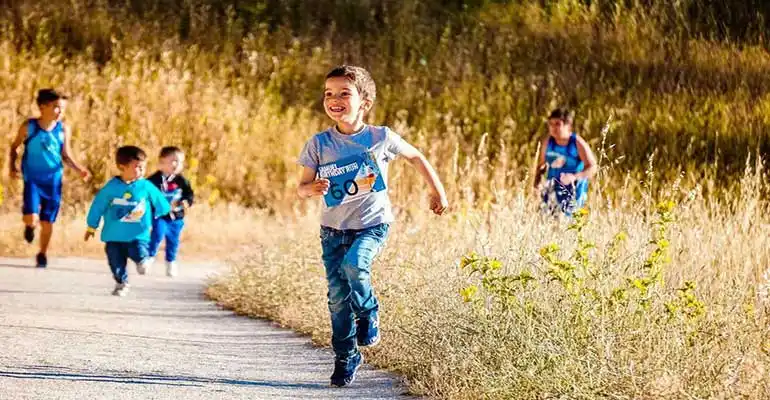
Physical activity plays an important role in children's growth and development. It helps strengthen muscles and bones, improve fitness and coordination, and gives children opportunities to learn, play, and connect with others. Regular movement can also help children build healthy habits that support their well-being as they grow.
Exercise does not have to mean joining a sports team or attending a gym. Walking, cycling, dancing, playing in the park, and family games are all valuable ways to stay active. Here are the benefits of physical activity for children and eight practical ways to encourage your child to enjoy movement and exercise.
Why Is Physical Activity Important for Children?
Regular physical activity supports children's health and development in several ways. Some of its main benefits include:
1. Strengthening Muscles and Bones
Activities such as running, jumping, climbing, and playing with a ball help children develop muscle strength and support bone health. They also provide opportunities to practise new movement skills as children grow.
2. Improving Fitness, Balance, and Coordination
Physical activity helps develop endurance, balance, and coordination. Cycling, swimming, dancing, and games that involve jumping or catching a ball are enjoyable ways for children to practise these skills.
3. Supporting Mental Well-Being and Mood
Being active can help children improve their mood and feel more relaxed. It gives them an opportunity to release energy, enjoy themselves, and take a break from long periods of sitting.
4. Developing Social Skills
When children take part in team games or sports with other children, they learn to cooperate, follow rules, take turns, and encourage others. These shared experiences can also help them build friendships and feel part of a group.
5. Building Self-Confidence
Learning a new skill or making progress in a favourite activity can give children a sense of achievement. As they become more confident at cycling, swimming, dancing, or playing a sport, they gradually develop trust in their own abilities.
6. Supporting Focus and Learning
Regular physical activity is associated with benefits for children's cognitive health and may support attention and some skills related to learning. Movement breaks can therefore be a useful part of a child's daily routine alongside study and rest.
How Much Physical Activity Do Children Need?
Children's activity needs vary according to their age and stage of development. According to the World Health Organization, children and adolescents aged 5 to 17 should do an average of at least 60 minutes of moderate-to-vigorous physical activity per day across the week. Most of this should be aerobic activity, with activities that strengthen muscles and bones included at least three days a week.
Physical activity does not have to happen all at once. Children can move throughout the day through play, walking, cycling, school activities, and sports. Starting with smaller amounts is also beneficial, and activity can be increased gradually.
Children under five have different recommendations depending on their age. Infants need several opportunities for movement and interactive floor-based play while awake, while toddlers and preschoolers benefit from varied physical activity spread throughout the day.
8 Ways to Encourage Children to Be Physically Active
1. Make Physical Activity Part of the Daily Routine
Set aside time for movement and play every day, making it a natural part of family life. You could go for a walk after meals, visit a playground, or ride bicycles in a safe area.
Repeating these activities helps children develop healthy habits and look forward to their active time.
2. Join Your Child in Physical Activities
Encouraging children to exercise can be easier when they see their parents taking part. Go for a walk together, play catch, dance at home, or enjoy a simple outdoor game.
Family activities do not require special equipment or athletic skills. The important thing is to spend enjoyable time together and make movement a positive experience.
3. Choose Activities That Match Your Child's Interests
Not every child enjoys football or swimming. Take time to discover which activities your child likes. They may prefer dancing, cycling, martial arts suitable for their age, or group movement games.
Give your child opportunities to try different activities, and avoid forcing them to continue with a sport they do not enjoy. Having fun is an important part of developing a lasting habit.
4. Make the Most of Outdoor Play
Parks and open spaces give children many opportunities to move and explore. They can run, jump, climb, play with a ball, or take part in simple outdoor treasure hunts.
Choose safe places and provide supervision according to your child's age and the activity. You can also read our article about outdoor play for children, its benefits, and potential risks for more ideas about safe outdoor activities.
5. Break Up Long Periods of Sitting
Encourage your child to take movement breaks between homework and activities that involve sitting. They can stand up, stretch, walk around, or enjoy a short movement game.
It is also helpful to manage screen time and replace some sedentary activities with enjoyable movement, while making sure children still get enough sleep and rest.
6. Encourage Group Activities
Sports teams, school activities, and child-friendly clubs can make exercise more engaging. They give children opportunities to learn new skills, cooperate with teammates, and follow the rules of a game.
Choose a group that matches your child's age and ability. Look for a safe and supportive environment where participation and enjoyment matter more than excessive competition.
7. Praise Effort Instead of Focusing Only on Winning
When your child tries a new movement or takes part in a sports activity, recognize their effort and encourage them to keep practising. Winning should not be the only measure of success.
Help your child enjoy learning and personal progress. Avoid comparing them with other children, as everyone develops skills at a different pace.
8. Offer Variety to Prevent Boredom
Different activities help keep physical activity interesting. You can alternate between walking, cycling, swimming, dancing, ball games, and outdoor family activities.
You could also create a simple weekly activity list and let your child choose some of the activities. This gives them a sense of involvement and makes them more enthusiastic about participating.
How to Choose the Right Sport for Your Child
When choosing a physical activity for your child, consider the following factors:
- Age and development: Choose activities that match your child's movement skills and level of maturity.
- Personal interests: Ask what games and sports your child enjoys and give them opportunities to try different options.
- Safety: Check that the location and equipment are suitable. Use protective equipment when needed, such as a helmet for cycling.
- Balance: Make sure there is enough time for schoolwork, sleep, rest, and unstructured play.
- Gradual progress: Start with simple activities and increase the duration or intensity gradually according to your child's ability.
If your child has a chronic illness, a health condition, or a mobility difficulty, consult a healthcare professional about suitable activities and how to take part safely.
Common Mistakes to Avoid When Encouraging Exercise
- Forcing a child to play a sport they dislike: Pressure can make children lose interest in physical activity.
- Focusing only on competition and winning: Enjoyment, learning, and personal progress are more important than winning every time.
- Expecting too much exercise: Activities should match the child's age and abilities, with time to rest when needed.
- Ignoring safety: Choose suitable locations and equipment, and provide appropriate supervision.
- Forgetting to be a role model: It can be harder to encourage children to move if the family never makes time for physical activity.
Frequently Asked Questions About Physical Activity for Children
What is the best sport for children?
There is no single best sport for every child. The right choice depends on the child's age, interests, and abilities. Options may include swimming, cycling, dancing, running, team sports, and active play.
Does playing in the park count as physical activity?
Yes. Running, jumping, climbing, playing with a ball, and chasing friends can all count as physical activity, especially when they involve movement and increase the body's activity level.
How can I encourage a child who does not like sports?
Start with short, enjoyable activities that do not feel like formal training, such as walking together, dancing, or playing movement games. Let your child choose the activity and praise their efforts without forcing or comparing them with others.
Do children need to exercise every day?
Children and adolescents aged 5 to 17 are recommended to do an average of at least 60 minutes of moderate-to-vigorous physical activity daily across the week. Activities can include play, walking, school sports, and exercise, while taking the child's abilities and need for rest into account.
Conclusion
Physical activity helps children build stronger bodies, develop movement and social skills, and support their mental well-being and learning. Encouraging children to move does not necessarily mean enrolling them in a sports club. A family walk, a game in the park, or a bicycle ride can be a great place to start.
Make movement enjoyable, varied, and suitable for your child's age. By offering encouragement, setting a positive example, and providing safe opportunities to play, you can help your child develop a lasting love of physical activity.



Customer reviews
No reviews
Write your review
Your comment will appear after it is reviewed and approved.