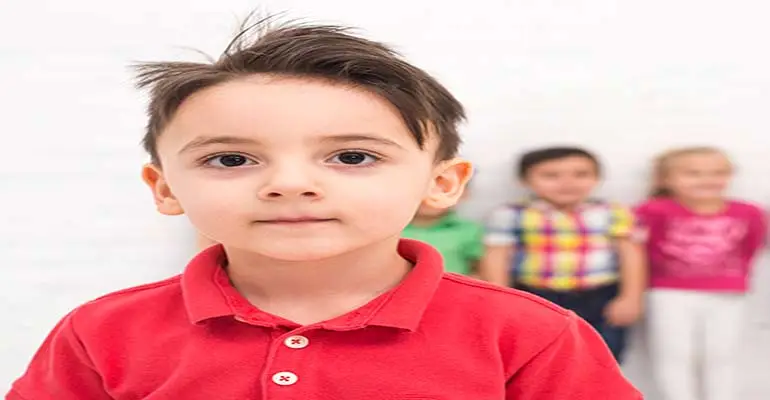
Social skills are essential for children's everyday lives. They help children make friends, cooperate with others, express their thoughts and feelings, and handle different situations at home, at school, and in the community.
However, children do not automatically develop these skills or learn them all at the same age. They gradually build social abilities by observing adults, playing with others, and interacting with family members and friends. Parents can support this development through simple, repeated experiences in everyday life.
In this article, we will explore why social skills matter and eight practical ways to help your child develop cooperation, communication, and positive relationships.
What Social Skills Do Children Need?
Social skills are the behaviors and abilities that help children interact with others in positive and respectful ways. They involve more than simply talking to people. They also include understanding emotions, respecting differences, cooperating, and resolving disagreements.
Some important social skills children can develop include:
- Communicating thoughts and needs clearly.
- Listening to others and respecting their turn to speak.
- Sharing toys and materials and taking turns.
- Working with others toward a shared goal.
- Recognizing emotions and understanding other people's perspectives.
- Solving problems and disagreements calmly.
- Respecting rules and personal boundaries.
- Offering help and treating others kindly.
Why Is It Important to Teach Children Social Skills?
Social skills help children feel a sense of belonging and build positive relationships with the people around them. They also create opportunities for children to learn through play, cooperation, and everyday experiences.
Some important benefits include:
- Building friendships: Children learn how to approach others, get to know them, and take part in activities together.
- Developing confidence: Being able to express thoughts and needs can help children feel more comfortable participating in social situations.
- Developing empathy: Children become better able to notice other people's feelings and understand their needs.
- Improving cooperation: They learn to work with others, share responsibilities, and respect different roles.
- Handling disagreements: They develop healthier ways to express disagreement and solve problems without hurting others.
How to Teach Your Child Social Skills: 8 Practical Ways
1. Be a Positive Role Model
Children learn a great deal by watching their parents and the people around them. One of the best ways to teach positive social behavior is to demonstrate it in everyday situations.
Use words such as "please," "thank you," and "excuse me." Listen carefully to others, respect their opinions, and show kindness when interacting with family members and friends.
When children see their parents cooperating with others and respecting their feelings, they have a practical example they can follow.
2. Encourage Cooperative Play and Teamwork
Play is one of the best opportunities for children to practice social skills. Choose activities that involve more than one person, such as building with blocks, completing puzzles together, creating a project, or playing simple group games.
During play, help your child understand the importance of taking turns, waiting, and respecting other people's ideas. Avoid stepping into every small disagreement. Give children a chance to find solutions themselves, while remaining available when they need help.
3. Encourage Communication and Listening
Social communication is not only about speaking. It also involves listening and understanding what other people are saying. Help your child express needs using clear and polite words, such as:
- Can I play with you?
- May I use the toy when you are finished?
- I don't like that behavior.
- Could you please help me?
You can also teach your child to listen without interrupting, wait until someone has finished speaking, and ask questions when something is unclear.
4. Help Your Child Understand Feelings
Children need to learn how to recognize and express their own feelings, including happiness, sadness, anger, fear, and frustration. They also need to understand that other people may have feelings that are different from their own.
Use stories, pictures, and everyday situations to ask simple questions such as, "How do you think this child feels?" or "What could we do to help?"
When your child becomes upset, help them name the emotion and understand what caused it. Then guide them toward expressing their feelings with words instead of shouting or hurting others.
5. Teach Problem-Solving and Conflict Resolution
Children naturally disagree during play, especially when they want to use the same toy. These situations can become opportunities to learn negotiation and problem-solving.
If your child disagrees with a friend over a toy, ask questions such as, "What solution might work for both of you?" or "How could you take turns?"
Suggest possible solutions, such as taking turns, choosing another activity, or agreeing on a time for each child. Explain that feeling angry is normal, but hitting, insulting, or taking things by force are not acceptable ways to resolve disagreements.
6. Encourage Helping and Sharing Responsibilities
Cooperation can be encouraged through simple responsibilities at home. Ask your child to help put toys away, prepare the table, collect books, or complete an age-appropriate task with another family member.
When your child helps someone, acknowledge the specific behavior. For example, say, "I liked how you helped your brother put the toys away." This helps children understand the value of cooperation and how it benefits others.
7. Provide Opportunities to Interact with Other Children
Children need different opportunities to interact with peers and practice social skills in real situations. You can arrange short visits with relatives or friends, take your child to parks, or join playgroups and age-appropriate activities.
If your child feels hesitant at first, do not force immediate participation. Give them time to observe other children and approach gradually. Offer support with starting a conversation or joining a game when they feel ready.
8. Explain Social Rules and Respect for Boundaries
Children need to understand that different places and situations have rules that help everyone feel comfortable and safe. Explain these rules in simple language, such as waiting for a turn, asking before using someone else's belongings, avoiding interruptions, and respecting personal space.
It is also important to teach children that they can say no to touch or hugs they do not want, and that they should respect other people's boundaries too. Understanding personal boundaries is an important part of building healthy and safe relationships.
Games and Activities That Help Develop Social Skills
Teaching social skills does not require long lessons or complicated activities. Everyday moments can become learning opportunities through simple games, including:
- Turn-taking games: Family members take turns choosing a game or activity, helping children practice patience and respect for others.
- Build Something Together: Use building blocks or art supplies to complete a small project that requires teamwork and shared responsibilities.
- Emotion Charades: Act out different facial expressions and try to guess the feelings shown by each expression or movement.
- Problem-Solving Games: Present a simple situation, such as two children wanting the same toy, and ask your child to suggest possible solutions.
- Daily Helping Tasks: Choose a simple household activity that your child can complete with another family member.
What If Your Child Has Difficulty Making Friends?
Children do not all interact in the same way. Some start conversations easily, while others need more time to feel comfortable in social situations. A child may also prefer playing with one friend rather than joining a large group. This does not necessarily mean there is a problem.
You can support your child by following these steps:
- Start with short playdates with one child your child already knows or feels comfortable with.
- Choose shared activities that help children interact naturally.
- Practice simple phrases your child can use to start playing or ask to join a group.
- Encourage small attempts without criticism or comparisons.
- After a social activity, talk about what your child enjoyed and what felt difficult.
If social difficulties persist and clearly affect your child's daily life, relationships, or participation in activities, consider discussing your concerns with a pediatrician or an appropriate specialist.
Common Mistakes to Avoid When Teaching Social Skills
- Forcing participation: Children need time to feel comfortable, and pressure may increase their hesitation.
- Criticizing them in front of others: Avoid embarrassing your child over a social mistake. Discuss the behavior calmly and privately.
- Solving every problem for them: Give children opportunities to think and try appropriate solutions, while offering support when needed.
- Expecting perfect behavior all the time: Learning to cooperate, share, and manage emotions requires practice and repetition.
- Comparing them with other children: Every child has their own personality and pace of social development.
Conclusion: Social Skills Grow Through Practice and Encouragement
Teaching children social skills and cooperation is a gradual process that begins at home and develops through play and interaction with family members and friends. Parents can support this development by setting a positive example, encouraging group play, teaching emotional expression, and helping children resolve disagreements and respect others.
Remember, the goal is not to make your child social all the time or behave perfectly in every situation. It is to give them the tools to build healthy relationships, express themselves, and cooperate with others while respecting their own needs and boundaries.
Frequently Asked Questions About Teaching Children Social Skills
What are the most important social skills children should learn?
Important social skills include communication, listening, sharing, taking turns, cooperation, understanding emotions, problem-solving, and respecting rules and personal boundaries.
How can I help my child make friends?
Provide opportunities to play with other children in a comfortable environment. Start with small gatherings, practice simple phrases for starting conversations and joining games, and avoid forcing your child to interact.
Does playing help children develop social skills?
Yes. Group play gives children opportunities to practice cooperation, taking turns, communication, conflict resolution, and handling winning and losing.
What should I do if my child does not enjoy playing in a group?
Respect your child's temperament and give them time. You can begin with short one-to-one playdates with a child they feel comfortable with, then gradually offer more opportunities for interaction.



Customer reviews
No reviews
Write your review
Your comment will appear after it is reviewed and approved.